Gel Injection Side Effects: What to Know Before Treatment
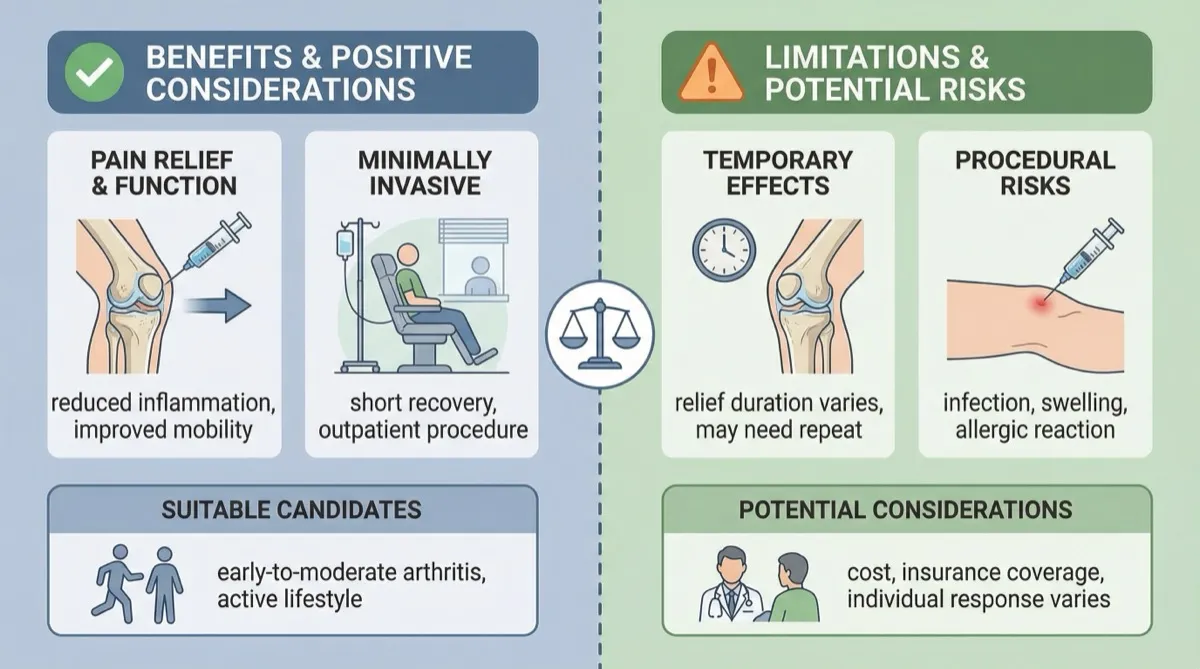
If you’re considering gel injections for knee osteoarthritis, understanding potential side effects is essential for making an informed treatment decision. Viscosupplementation using hyaluronic acid has a well-established safety profile, with most patients experiencing minimal to no adverse reactions. However, like any medical procedure, gel knee injections carry some risks that you should discuss with your healthcare provider.
This comprehensive guide answers common questions about gel injection side effects, helping you know what to expect and when to seek medical attention.
What Are Gel Knee Injections?
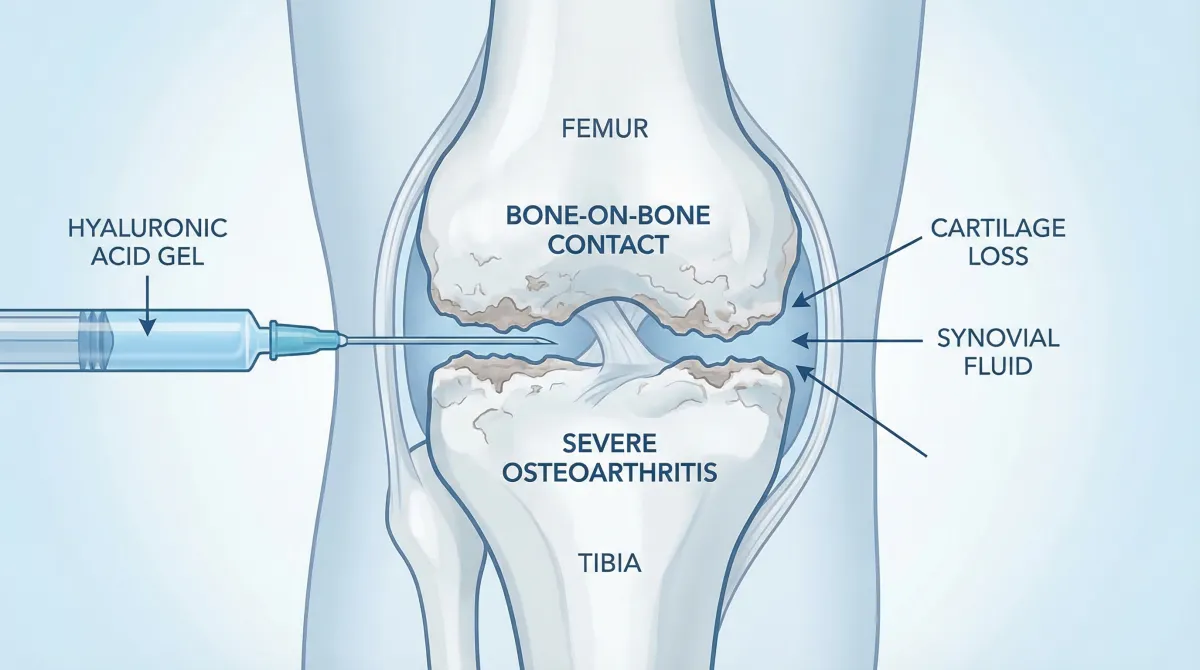
Gel knee injections, medically known as viscosupplementation, involve injecting hyaluronic acid directly into the knee joint to supplement the natural joint fluid that cushions and lubricates the knee. According to Cleveland Clinic, these injections help reduce pain and improve mobility in people with mild to moderate knee osteoarthritis [1].
The hyaluronic acid used in these injections mimics your body’s natural joint fluid, providing cushioning between bones and potentially reducing inflammation in the affected joint.
What Are the Most Common Side Effects of Gel Knee Injections?
The most common side effects of gel knee injections are mild and temporary, typically resolving within a few days without medical intervention.
Injection Site Reactions
According to Mayo Clinic, the most frequent side effects include temporary pain, swelling, or warmth at the injection site [2]. These reactions usually occur immediately after the procedure and improve with rest and ice application.
Short-Term Discomfort
Other common temporary effects include:
- Mild pain or soreness in the injected knee
- Swelling around the injection area
- Bruising at the puncture site
- Stiffness or difficulty moving the knee immediately after injection
- Warmth in the treated joint
According to research published in the National Institutes of Health, minor side effects like local pain, effusion, and swelling typically last only several days [3].
How to Manage Common Side Effects
Most mild side effects respond well to simple home care:
- Apply ice packs to the knee for 15-20 minutes several times daily
- Rest and avoid strenuous activity for 48 hours
- Take over-the-counter pain relievers like acetaminophen as directed
- Avoid prolonged standing, running, or heavy lifting for 1-2 days
How Common Are Serious Side Effects?
Serious side effects from gel knee injections are rare, but understanding their frequency helps put risks into proper perspective.
Statistical Overview
According to medical research:
- Local acute reactions can occur in up to 11% of injected knees [3]
- Injection flares (significant inflammatory reactions) affect approximately 1% of patients [4]
- Severe allergic reactions are extremely rare [5]
- Infections are very rare complications when proper sterile technique is used [1]
The overall safety profile of viscosupplementation is favorable, with 70-80% of patients with mild to moderate knee osteoarthritis reporting noticeable pain improvements [3].
What Is an Injection Flare Reaction?
An injection flare, sometimes called a “post-injection flare,” is a temporary increase in pain and inflammation that occurs shortly after receiving the injection.
Understanding Flare Reactions
According to Cleveland Clinic, about 1% of people experience significant swelling and pain from fluid accumulation in the joint [1]. With gel injections specifically, there is a reported 5% risk of a “pseudo-sepsis” reaction where the knee becomes red, hot, and swollen, mimicking an infection [6].
Characteristics of Injection Flares
A flare reaction typically presents with:
- Increased pain within 24-72 hours after injection
- Noticeable swelling in the knee joint
- Warmth and possible redness
- Temporary reduction in mobility
Treatment for Flare Reactions
According to Hospital for Special Surgery, injection flares are generally treated with conservative measures [4]:
- Rest and ice application to the affected knee
- Over-the-counter pain relievers (acetaminophen or NSAIDs)
- In some cases, joint fluid removal (aspiration) by your healthcare provider
- Rarely, steroid injections to reduce severe inflammation
Most flare reactions improve within a few days with proper management after infection has been ruled out.
When Should I Call My Doctor After a Gel Injection?
While most side effects are mild and temporary, certain symptoms warrant immediate medical attention to rule out serious complications like infection.
Contact Your Doctor If You Experience:
According to Memorial Sloan Kettering Cancer Center, you should contact your healthcare provider if you notice [7]:
- Fever of 100.4°F (38.3°C) or higher
- Persistent pain at the injection site that doesn’t improve after 48 hours
- Worsening redness or swelling at the injection site
- Warmth in or around your knee that increases over time
- Pain or swelling that becomes worse rather than better
Seek Emergency Care For:
Go to urgent care or an emergency department immediately if you experience [8]:
- Spreading redness from the injection site
- Severe, escalating pain that doesn’t respond to medication
- High fever accompanied by knee symptoms
- Signs of allergic reaction including rash, difficulty breathing, or swelling of the face, lips, or throat
- Blistered or peeling skin around the injection area
While infection after gel injections is very rare when proper sterile techniques are used, early detection and treatment are crucial if it occurs.
What Are the Signs of Infection After a Gel Injection?
Joint infections, though rare, require immediate medical attention. Understanding the warning signs helps you distinguish between normal post-injection discomfort and potential infection.
Warning Signs of Infection
According to Arthritis Health, contact your doctor immediately if you notice [8]:
- Increasing redness that spreads beyond the injection site
- Progressive swelling that worsens after 48 hours
- Warmth that intensifies rather than improves
- Fever, especially if accompanied by chills
- Drainage or pus from the injection site
- Severe pain that’s disproportionate to expected discomfort
Pseudo-Sepsis vs. True Infection
It’s important to note that some patients experience “pseudo-sepsis,” a severe inflammatory reaction that mimics infection but is not caused by bacteria [8]. This rare complication requires medical evaluation to differentiate it from true bacterial infection.
Your doctor can distinguish between these conditions through:
- Physical examination
- Joint fluid analysis
- Blood tests
- Imaging studies if necessary
Who Should Not Get Gel Knee Injections?
Certain individuals should avoid gel knee injections due to increased risk of adverse reactions or reduced treatment effectiveness.
Absolute Contraindications
According to Cleveland Clinic and medical literature, viscosupplementation is contraindicated in [1, 9]:
- Hypersensitivity to hyaluronic acid or sodium hyaluronate preparations
- Known skin diseases or infections around or in the injection area
- Avian (bird) allergies if the product is derived from rooster combs (though non-animal-derived alternatives are available)
- Active infection in or around the knee joint
Relative Contraindications
Gel injections may not be appropriate or effective for:
- Severe, end-stage arthritis or bone-on-bone conditions [9]
- Pediatric patients (contraindicated) [9]
- Patients with bleeding disorders (increased bruising risk)
Discuss With Your Doctor If You Have:
- Allergies to avian proteins or eggs
- History of allergic reactions to previous injections
- Current skin conditions near the knee
- Blood thinning medication use
Are Gel Injections Safe for Repeated Use?
One advantage of gel knee injections over corticosteroid injections is their safety profile for repeated use.
Frequency and Safety
According to Hospital for Special Surgery, knee gel injections are typically recommended every 6 months and can be safely repeated as long as needed [4]. Unlike cortisone shots, frequent use of gel injections won’t:
- Reduce treatment effectiveness over time
- Increase your risk of side effects
- Damage joint structures with repeated administration
Medicare and many insurance companies cover viscosupplementation every 6 months, reflecting the accepted safety profile for ongoing use.
Long-Term Safety Profile
Research published in the National Institutes of Health demonstrates the long-term safety and patient acceptability of hyaluronic acid injections for knee osteoarthritis [10]. Most patients tolerate repeated treatment courses well, with adverse events remaining mild and transient even with multiple injection series.
How Do Gel Injection Side Effects Compare to Other Treatments?
When considering treatment options for knee osteoarthritis, comparing side effect profiles helps inform your decision.
Gel Injections vs. Corticosteroid Injections
Gel Injections:
- Mild, localized side effects
- Safe for repeated use
- Lower risk of joint damage
- Effects develop gradually over weeks
Corticosteroid Injections:
- Faster pain relief
- Cannot be repeated frequently (risk of tissue damage)
- Potential for systemic effects
- May accelerate cartilage breakdown with repeated use
Gel Injections vs. NSAIDs
Gel Injections:
- Localized treatment with minimal systemic effects
- Side effects limited primarily to injection site
- No gastrointestinal or cardiovascular risks
NSAIDs:
- Systemic medication affecting entire body
- Gastrointestinal side effects (ulcers, bleeding)
- Cardiovascular risks with long-term use
- Kidney concerns in some patients
What Can I Do to Minimize Side Effects?
Taking proactive steps before and after your injection can help minimize potential side effects.
Before Your Injection
- Inform your doctor of all allergies, especially to avian products
- Disclose all medications, including blood thinners
- Report any active infections or skin conditions
- Arrive with clean skin around the knee area
After Your Injection
According to medical guidelines, follow these post-injection care instructions [1, 4]:
- Avoid overusing your knee for 48 hours after injection
- Don’t strain the knee with prolonged standing
- Refrain from running or heavy lifting for 1-2 days
- Apply ice regularly to reduce swelling
- Take prescribed or recommended pain relievers as directed
- Monitor the injection site for signs of infection or worsening symptoms
Activity Modifications
While you should avoid strenuous activity immediately after injection, gentle movement is beneficial. Light walking and range-of-motion exercises can help:
- Distribute the hyaluronic acid throughout the joint
- Maintain flexibility
- Prevent excessive stiffness
Always follow your healthcare provider’s specific post-injection instructions, as recommendations may vary based on the particular gel product used and your individual health status.
Frequently Asked Questions
How long do side effects from gel injections last?
Most common side effects like mild pain, swelling, and bruising at the injection site resolve within 2-5 days. According to medical research, minor reactions typically last only several days with proper rest and ice application [3]. If symptoms persist beyond 48 hours or worsen, contact your healthcare provider.
Can I drive after getting a gel knee injection?
Most patients can drive after receiving a gel knee injection, as the procedure typically doesn’t impair your ability to operate a vehicle. However, if you experience significant pain, swelling, or stiffness immediately after the injection, it’s safer to have someone drive you home. Follow your doctor’s specific recommendations.
Will gel injections cause weight gain or other systemic side effects?
Unlike oral medications or systemic treatments, gel knee injections are localized treatments with minimal systemic effects. Weight gain is not a side effect of hyaluronic acid injections. The treatment stays primarily within the joint space, so you won’t experience the systemic side effects associated with oral medications like NSAIDs or corticosteroids.
Are gel injection side effects worse than corticosteroid injection side effects?
Gel injections generally have a more favorable side effect profile than repeated corticosteroid injections. While you may experience more immediate discomfort after a gel injection compared to cortisone, gel injections don’t carry the risks of cartilage damage, tissue weakening, or systemic effects associated with frequent steroid use [11].
Can I take pain medication after a gel injection?
Yes, over-the-counter pain relievers like acetaminophen or NSAIDs (ibuprofen, naproxen) can be taken after gel injections to manage temporary discomfort. According to medical guidelines, these medications are often recommended for managing post-injection soreness [4]. Always follow dosing instructions and consult your doctor if you have questions about specific medications.
How soon will I know if I’m having a serious reaction?
Most serious reactions occur within the first 24-72 hours after injection. Injection flares and pseudo-sepsis reactions typically develop within this timeframe [6]. If you’re going to experience a significant adverse reaction, symptoms usually appear within the first few days. However, continue monitoring the injection site for a week and report any concerning symptoms to your doctor.
Do certain gel injection brands have more side effects?
Research suggests that high-molecular-weight hyaluronic acid products may cause slightly more injection-site swelling and pain, though they can be more effective at pain relief [12]. Different formulations (single-injection vs. multiple-injection series, cross-linked vs. non-cross-linked) may have varying side effect profiles. Discuss which product is best suited to your situation with your healthcare provider.
Make an Informed Decision About Gel Knee Injections
Understanding potential side effects of gel knee injections helps you make an informed treatment decision and know what to expect during recovery. While most patients experience only mild, temporary reactions, being aware of warning signs ensures you’ll seek appropriate care if needed.
The overall safety profile of viscosupplementation is favorable, with serious complications remaining rare when proper technique and patient selection are employed. Most side effects are manageable with simple home care measures and resolve within days.
Ready to Explore Gel Injections for Your Knee Pain?
At Joint Relief Institute, our experienced specialists provide comprehensive evaluations to determine if gel knee injections are right for you. We’ll discuss your medical history, potential risks and benefits, and answer all your questions about the procedure and recovery.
Call (800) 238-9307 today to schedule a consultation and learn how we can help you find relief from knee osteoarthritis pain with safe, effective treatment options tailored to your needs.
Sources
-
Cleveland Clinic. “Knee Gel Injections (Viscosupplementation): Uses & Side Effects.” Cleveland Clinic Health Library, 2026. https://my.clevelandclinic.org/health/procedures/knee-gel-injections-viscosupplementation
-
Mayo Clinic. “Hyaluronic acid (injection route) - Side effects & uses.” Mayo Clinic Drug Information, 2026. https://www.mayoclinic.org/drugs-supplements/hyaluronic-acid-injection-route/description/drg-20074557
-
National Institutes of Health. “Viscosupplementation for Osteoarthritis of the Knee: A Key Opinion Leader Panel Discussion.” PMC, 2023. https://pmc.ncbi.nlm.nih.gov/articles/PMC10408395/
-
Hospital for Special Surgery. “What to Know About Knee Gel Injections (Viscosupplementation).” HSS Health Library, 2026. https://www.hss.edu/health-library/conditions-and-treatments/knee-gel-injections-viscosupplementation
-
Knee Pain Centers of America. “Are There Any Risks or Side Effects of Viscosupplementation?” KPCA Blog, 2026. https://www.kneepaincentersofamerica.com/blog/are-there-any-risks-or-side-effects-of-viscosupplementation
-
Boston Concierge Orthopedics. “Knee Gel Injections: Potential Side Effects and What to Expect.” BCO Patient Education, 2026. https://bostonconciergeorthopedics.com/do-knee-gel-injections-have-side-effects/
-
Memorial Sloan Kettering Cancer Center. “About Hyaluronate Injections in Your Knee.” MSKCC Patient Education, 2026. https://www.mskcc.org/cancer-care/patient-education/about-hyaluronate-injections-your-knee
-
Arthritis Health. “Hyaluronic Acid Injection for Knee Osteoarthritis: Procedure and Risks.” Arthritis Health Treatment Information, 2026. https://www.arthritis-health.com/treatment/injections/hyaluronic-acid-injection-knee-osteoarthritis-procedure-and-risks
-
National Institutes of Health. “A Comprehensive Review of Viscosupplementation in Osteoarthritis of the Knee.” PMC, 2021. https://pmc.ncbi.nlm.nih.gov/articles/PMC8567800/
-
National Institutes of Health. “Long term safety, efficacy, and patient acceptability of hyaluronic acid injection in patients with painful osteoarthritis of the knee.” PMC, 2012. https://pmc.ncbi.nlm.nih.gov/articles/PMC3526887/
-
Coastal Orthopaedic Team. “Cortisone Injections vs Viscosupplementation: Indications, Benefits, Usage, and Risk Factors.” Coastal Ortho Blog, 2026. https://www.coastalorthoteam.com/blog/cortisone-injections-vs-viscosupplementation-indications-benefits-usage-and-risk-factors
-
Arthritis Foundation. “Hyaluronic Acid Injections for Knee Pain: How It Could Help.” Arthritis Foundation Treatment Information, 2026. https://www.arthritis.org/health-wellness/treatment/treatment-plan/disease-management/hyaluronic-acid-injections-for-knee-pain