Knee Gel Injections Cost: Complete Pricing Guide (2026)
If you’re experiencing knee pain from osteoarthritis, you’ve probably heard about knee gel injections as a treatment option. But one of the first questions most patients ask is: “How much will this cost me?” The answer depends on several factors, including your insurance coverage, location, and the specific type of injection you receive.
In this comprehensive guide, we’ll break down everything you need to know about knee gel injection costs, Medicare and insurance coverage, and how to get the most affordable treatment for your knee osteoarthritis.
What Are Knee Gel Injections?
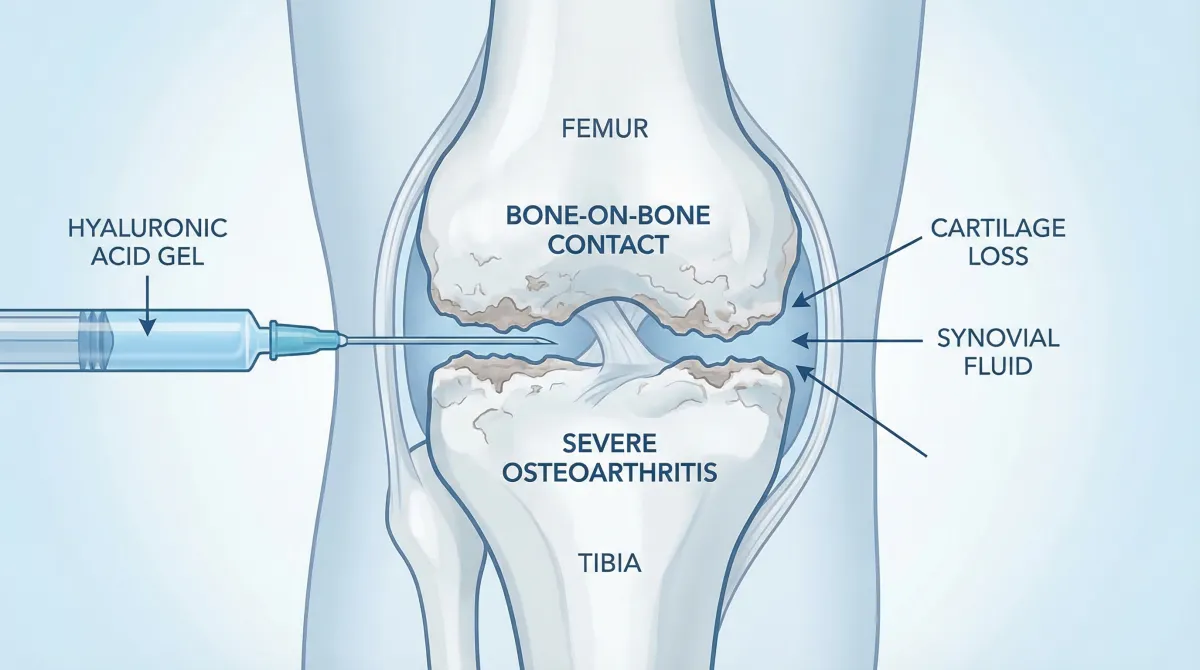
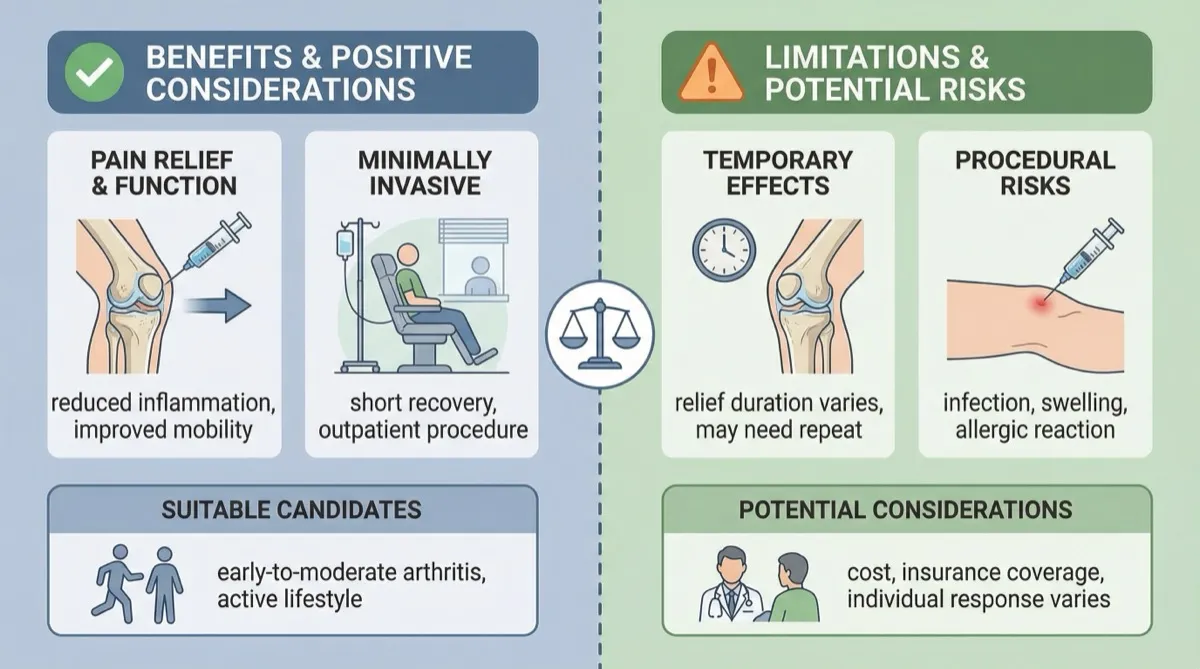
Knee gel injections, also called viscosupplementation or hyaluronic acid injections, are non-surgical treatments for knee osteoarthritis. These injections work by restoring lubrication to your knee joint, reducing pain and improving mobility. The treatment involves injecting a gel-like substance (hyaluronic acid) directly into the knee joint to supplement the natural fluid that cushions your bones.
How Much Do Knee Gel Injections Cost in 2026?
The cost of knee gel injections varies significantly based on multiple factors. Here’s what you can expect:
Per-Injection Costs
A single knee gel injection typically costs between $500 and $1,200 without insurance [1]. However, most treatment plans require a series of injections rather than just one.
Full Treatment Series Costs
Since viscosupplementation typically involves 3 to 5 injections, the total cost for a complete treatment series ranges from $1,200 to $3,000 out-of-pocket [2]. Some newer formulations require only a single injection, which may cost slightly more per treatment but eliminates the need for multiple appointments.
Factors That Affect Cost
Several factors influence the final price you’ll pay:
Brand of Hyaluronic Acid: Different brands have different price points. According to cost-effectiveness research, Orthovisc ($52 per injection) and Hyalgan ($44 per injection) are among the most affordable options, while Monovisc ($349 per injection) is typically the most expensive [3].
Geographic Location: Prices vary significantly by region and even between providers in the same city.
Injection Technique: If your doctor uses ultrasound or fluoroscopy guidance to ensure accurate placement, this may increase the cost but can improve treatment effectiveness.
Facility Type: Receiving treatment at a hospital outpatient department typically costs more than at an independent clinic.
Medicare Coverage for Knee Gel Injections
Medicare Part B does cover knee gel injections for osteoarthritis, but there are specific requirements you must meet [4].
Medicare Eligibility Requirements
To qualify for Medicare coverage of viscosupplementation, you must have:
- A confirmed diagnosis of symptomatic knee osteoarthritis with pain that interferes with daily activities
- Radiographic evidence (X-ray confirmation showing joint damage)
- At least 3 months of conservative therapy including physical therapy, weight management, or pain medications
- Failed or contraindication to corticosteroid injections in the knee
Medicare Cost Breakdown
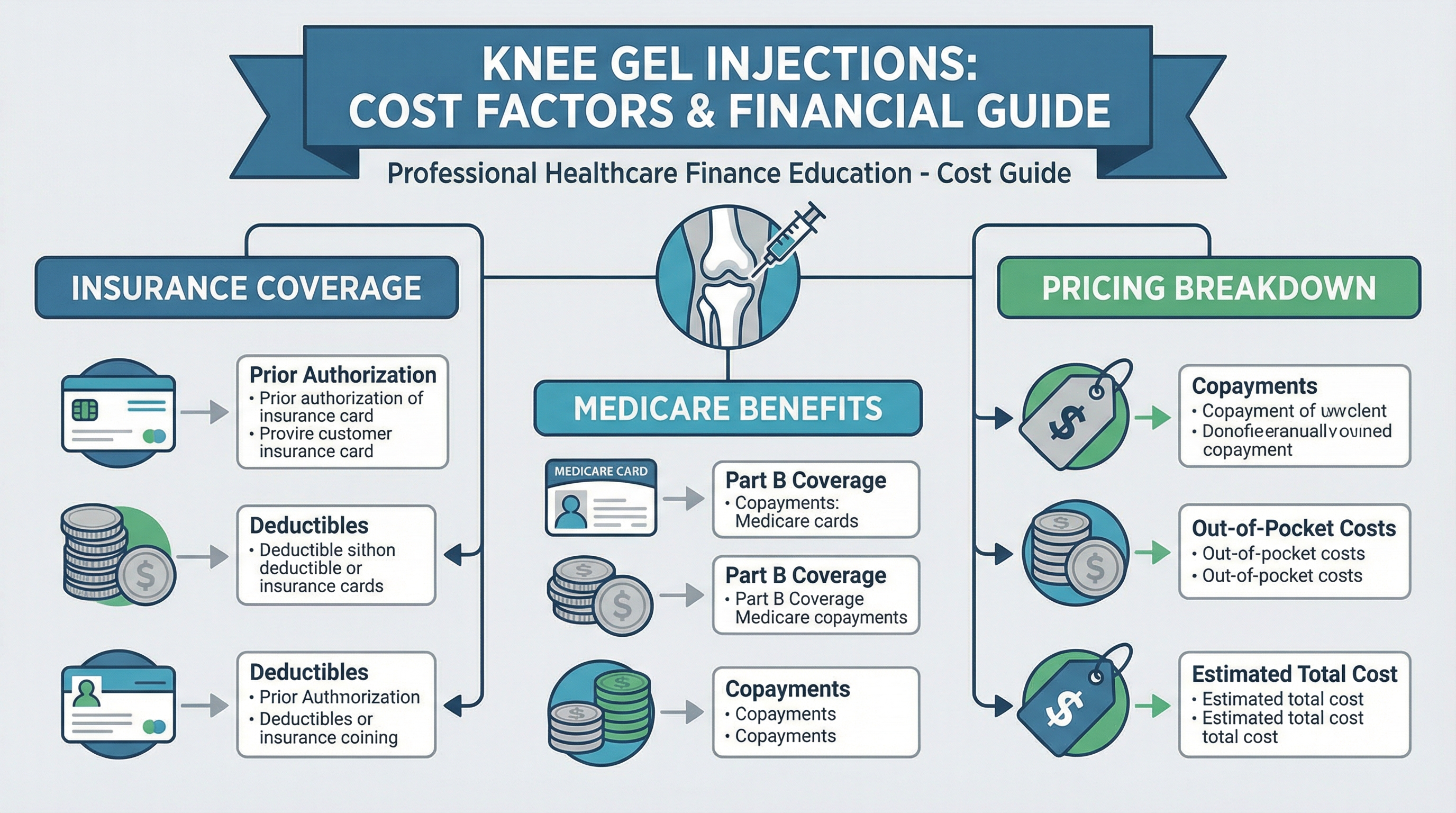
When Medicare covers knee gel injections, Part B typically pays 80% of the approved cost, while you’re responsible for:
- 20% coinsurance
- Your Part B deductible (if not yet met for the year)
This means if the Medicare-approved cost is $1,000 per injection, you would pay approximately $200 plus your deductible [4].
Medicare Frequency Limitations
Medicare covers repeat series of knee gel injections only if at least 6 months have elapsed since your previous series [5]. The treatment must follow FDA-approved dosing guidelines.
Private Insurance Coverage
Most private insurance plans cover knee gel injections when deemed medically necessary, though coverage policies vary widely [6].
Common Insurance Requirements
Private insurers typically require:
- Diagnosis of knee osteoarthritis confirmed by imaging
- Documentation that conservative treatments haven’t provided adequate relief
- Prior authorization before treatment
- Preferred brand requirements (some insurers only cover specific hyaluronic acid products)
Understanding Your Out-of-Pocket Costs
With private insurance, your costs depend on:
- Deductible: You may need to pay your full deductible before coverage begins
- Copay or Coinsurance: Typically 20-30% of the allowed amount after your deductible
- Preferred vs. Non-Preferred Brands: Using your insurer’s preferred brand can significantly reduce costs
Knee Gel Injections vs. Knee Replacement Surgery Costs
When considering treatment options for knee osteoarthritis, cost is an important factor. The price difference between viscosupplementation and surgery is substantial.
Surgery Cost Comparison
Knee replacement surgery typically costs between $30,000 and $75,000 [7]. Even with insurance coverage, your out-of-pocket costs for surgery can range from $3,000 to $15,000 or more.
In comparison, a full series of knee gel injections costs $1,200 to $3,000 without insurance, and often much less with coverage. This makes viscosupplementation a highly cost-effective option, especially for patients in the early to moderate stages of osteoarthritis.
Additional Cost Considerations
Beyond the procedure itself, knee replacement surgery involves:
- Hospital stay (typically 1-2 days)
- Extended physical therapy
- Time off work (usually 6-12 weeks)
- Potential complications or revision surgery
Gel injections for knees, by contrast, are outpatient procedures with no downtime. Most patients can return to normal activities immediately, avoiding lost wages and extended recovery costs.
How to Verify Your Insurance Coverage
Don’t assume your insurance won’t cover knee gel injections. Many patients are surprised to learn they have coverage when they take the time to verify their benefits.
The Insurance Verification Process
Here’s what you should do:
-
Contact your insurance company and ask specifically about coverage for viscosupplementation or hyaluronic acid injections (CPT code 20610 or J-codes J7321-J7328)
-
Ask about prior authorization requirements and what documentation your doctor needs to provide
-
Inquire about preferred brands to minimize your out-of-pocket costs
-
Confirm your deductible and coinsurance to understand your expected costs
Let JRI Handle Insurance Verification for You
At Joint Relief Institute, we understand that navigating insurance coverage can be overwhelming. That’s why we offer free insurance verification services for all potential patients. Our experienced team will:
- Contact your insurance company on your behalf
- Determine your coverage and out-of-pocket costs
- Identify any prior authorization requirements
- Help you understand your benefits before you commit to treatment
This service is completely free with no obligation. We believe you deserve to know exactly what your treatment will cost before making any decisions.
Making Knee Gel Injections Affordable
Even without insurance coverage, there are ways to make viscosupplementation more affordable:
Payment Plans
Many clinics, including Joint Relief Institute, offer payment plans that allow you to spread the cost over several months.
Health Savings Accounts (HSAs) and Flexible Spending Accounts (FSAs)
Knee gel injections are eligible expenses for both HSAs and FSAs, allowing you to pay with pre-tax dollars.
Manufacturer Copay Assistance Programs
Some hyaluronic acid manufacturers offer copay assistance programs for eligible patients. Ask your provider if these programs are available for your prescribed treatment.
Cash Pay Discounts
Some providers offer discounted rates for patients paying out-of-pocket without using insurance.
Frequently Asked Questions
How much do knee gel injections cost without insurance?
Without insurance, expect to pay $1,200 to $3,000 for a full treatment series (3-5 injections) or $500 to $1,200 per individual injection. Costs vary by brand, location, and provider.
Does Medicare pay for knee gel injections?
Yes, Medicare Part B covers knee gel injections for osteoarthritis when medically necessary. You must meet specific eligibility criteria including a diagnosis confirmed by X-ray, at least 3 months of failed conservative therapy, and documented trial of or contraindication to steroid injections. Medicare pays 80% of the approved cost after you meet your deductible.
How often can I get knee gel injections covered by insurance?
Most insurance plans, including Medicare, cover repeat series of knee gel injections every 6 months if the previous treatment provided relief. Some plans may have different frequency limitations, so verify your specific coverage.
Are single-injection treatments more expensive than multi-injection series?
Single-injection formulations like Synvisc-One or Monovisc typically cost more per treatment ($800-$1,200) compared to multi-injection series ($1,200-$3,000 total). However, single injections may be more convenient and reduce overall costs by eliminating multiple appointment fees.
Will insurance cover knee gel injections if I haven’t tried physical therapy first?
Most insurance companies require documentation of conservative treatment attempts before approving coverage for viscosupplementation. This typically includes at least 3 months of treatments like physical therapy, anti-inflammatory medications, or activity modification.
How much does knee surgery cost compared to gel injections?
Knee replacement surgery typically costs $30,000 to $75,000, with patient out-of-pocket costs ranging from $3,000 to $15,000 even with insurance. This makes viscosupplementation a much more affordable option for managing knee osteoarthritis, especially in the early to moderate stages.
Take the Next Step: Get Your Free Insurance Verification
Don’t let cost concerns prevent you from getting relief from knee pain. At Joint Relief Institute, we’re committed to making viscosupplementation accessible and affordable for all patients.
Our free insurance verification service takes the guesswork out of the equation. You’ll know exactly what your treatment will cost before your first appointment, with no surprises and no obligation.
Ready to Learn Your Coverage?
Call us today at (800) 238-9307 to speak with our insurance verification specialists. We’ll answer all your questions about costs, coverage, and payment options.
Whether you have Medicare, private insurance, or need to pay out-of-pocket, we’ll work with you to find the most affordable path to knee pain relief. Learn more about viscosupplementation and discover if gel injections are right for you.
The Bottom Line on Knee Gel Injection Costs
Knee gel injections offer a cost-effective alternative to surgery for many patients with knee osteoarthritis. While costs range from $1,200 to $3,000 for a treatment series without insurance, most patients with Medicare or private insurance pay significantly less after their coverage is applied.
The key is understanding your specific coverage and benefits before starting treatment. At Joint Relief Institute, we make this process simple by handling all insurance verification for you at no charge.
Don’t let knee pain control your life when affordable treatment options are available. Contact us today at (800) 238-9307 to learn about your coverage and take the first step toward pain-free mobility.
Sources
-
Senior HealthCare Solutions. “Knee Gel Injections Cost.” SeniorHealthCareSolutions.com, 2025. https://seniorhealthcaresolutions.com/blog/knee-gel-injections-cost/
-
Boston Concierge Orthopedics. “Breaking Down the Costs of Viscosupplementation Injections.” BostonConciergeOrthopedics.com, 2025. https://bostonconciergeorthopedics.com/viscosupplementation-injection-cost/
-
National Center for Biotechnology Information. “Cost-Effectiveness of Different Forms of Intra-Articular Injections for the Treatment of Osteoarthritis of the Knee.” PMC, 2016. https://pmc.ncbi.nlm.nih.gov/articles/PMC4957626/
-
Healthline. “Knee Gel Injections and Medicare: Coverage Details.” Healthline.com, 2025. https://www.healthline.com/health/medicare/does-medicare-pay-for-rooster-comb-injections
-
Centers for Medicare & Medicaid Services. “LCD - Hyaluronic Acid Injections for Knee Osteoarthritis (L39260).” CMS.gov, 2025. https://www.cms.gov/medicare-coverage-database/view/lcd.aspx?lcdId=39260&ver=5
-
Infinx Healthcare. “How To Win Prior Authorization Approvals For Viscosupplementation.” Infinx.com, 2025. https://www.infinx.com/blog/prior-authorization-approvals-viscosupplementation/
-
Joint Relief Institute. “How Much Does Knee Replacement Surgery Cost?” JointReliefInstitute.com, 2025. https://jointreliefinstitute.com/blog/how-much-does-knee-replacement-surgery-cost/
-
WebMD. “Hyalgan vs Synvisc: Knee Pain Relief.” WebMD.com, 2025. https://www.webmd.com/osteoarthritis/osteoarthritis-hyalgan-synvisc