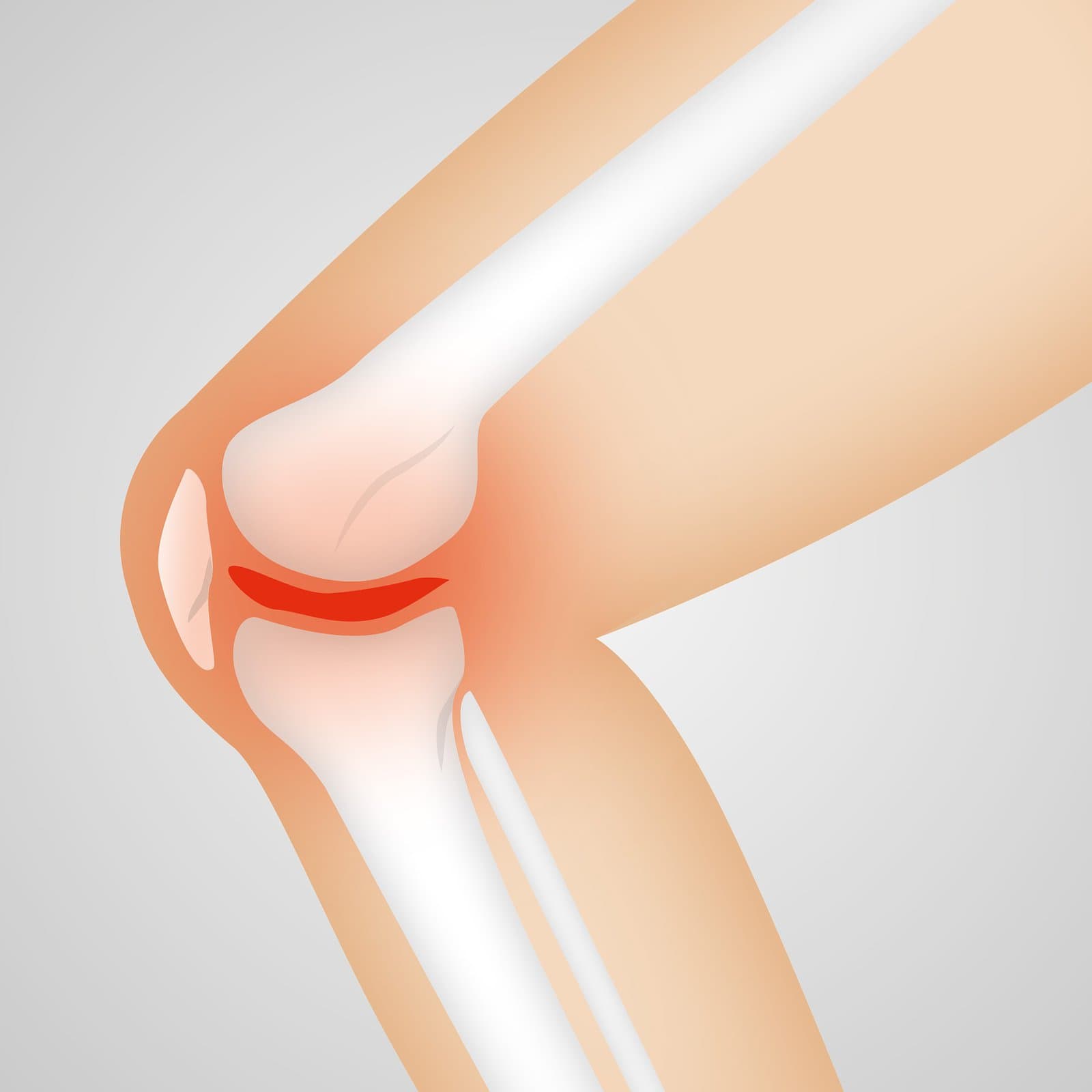
If you’re living with osteoarthritis, you most likely spend time looking for ways to ease the inflammation and joint pain that osteoarthritis brings. Common sources of pain relief may include heating packs, cold compresses, and heated blankets.
In addition to these helpful aids, doctors and physicians often recommend gentle, low-impact exercises that promote mobility and flexibility. These exercises include:
Aerobic Exercises
Aerobic exercises are exercises that can stimulate and increase your heart rate. A brisk walk, bike ride, or simple water aerobics (if a pool is available) can help elevate your heart rate and provide some joint relief.
Water-based exercises are particularly beneficial because the buoyancy of water reduces stress on your joints while still allowing you to get a good workout.
Simple Range-of-Motion Exercises
Range-of-motion exercises include simple stretches which promote flexibility among affected joints and combat the stiffness that osteoarthritis can yield. These exercises help maintain and improve joint function.
Consider signing up for a local yoga class for seniors! Yoga can be modified to accommodate different ability levels and can significantly improve flexibility and reduce stiffness.
Balance Exercises
Balance exercises such as tai chi or slow, backwards walking can help improve stability and reduce the risk of falls. Balance exercises, while very helpful, should only be performed in very safe environments with balancing props such as chairs or stools.
Tai chi, in particular, has been shown in studies to benefit people with osteoarthritis by improving balance, strength, and flexibility.
Important Considerations
Exercise, while being incredibly helpful for seniors with osteoarthritis, should be maintained carefully as to not over-exert the person practicing.
The Center for Disease Control and Prevention recommends “starting low and going slow”. This means:
- Begin with shorter exercise sessions
- Gradually increase duration and intensity
- Listen to your body and rest when needed
- Stay consistent with your exercise routine
Similarly, activities should be slowed down or ceased if severe inflammation occurs. Seniors may want to monitor for worsening pain and modify their exercises accordingly.
Key Takeaways
While not a full replacement for treatment, aerobic and osteo-arthritic friendly exercises are a powerful method of keeping your joints limber, flexible, and relatively pain-free.
If you’re interested in introducing an increased amount of exercise to your life, talk to your doctor about trying these recommended exercises. They can help you develop a safe and effective exercise plan tailored to your specific condition and fitness level.