What Not to Do After a Gel Injection: Essential Post-Procedure Care
If you’ve just received a knee gel injection—also called viscosupplementation or hyaluronic acid injection—you’re probably wondering what you can and can’t do during recovery. The good news? This is a minimally invasive procedure with very few restrictions, and most patients return to their normal routine within just a few days.
Understanding proper post-procedure care helps maximize the effectiveness of your treatment and ensures the best possible outcome for managing your knee osteoarthritis. Let’s walk through exactly what activities to avoid, what’s perfectly safe, and when you can expect to return to your regular activities.
What Are Knee Gel Injections?
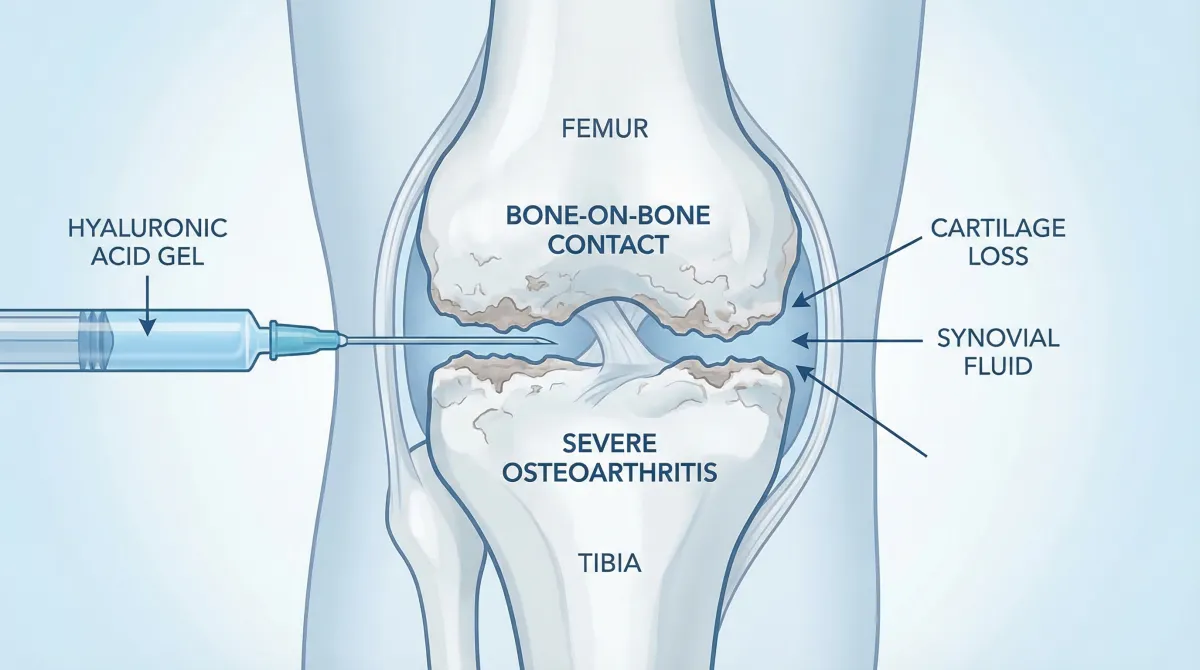
Knee gel injections deliver hyaluronic acid directly into your knee joint to supplement your body’s natural joint fluid. This treatment lubricates the joint, reduces pain, and improves mobility for people with knee osteoarthritis. Unlike corticosteroid injections that provide immediate but shorter-term relief, hyaluronic acid works gradually to provide sustained improvement over several months [1].
The First 48 Hours: Critical Don’ts
The most important recovery window is the first 48 hours after your injection. During this period, your knee needs time to adjust to the treatment and allow the hyaluronic acid to distribute properly throughout the joint.
Activities to Avoid During the First Two Days
Do Not:
- Engage in high-impact exercises such as jogging, running, or jumping
- Play sports like soccer, tennis, basketball, or any activity with sudden stops and starts
- Lift heavy objects or perform strenuous lifting activities
- Stand for prolonged periods without rest breaks
- Kneel or squat repeatedly, which puts excessive pressure on the treated joint
- Use hot tubs, saunas, or sit baths for 48 hours (showering is fine)
- Overuse or strain your knee joint with excessive activity [2][3]
According to the Mayo Clinic, patients should “avoid straining the joint for two days after receiving the injection” to prevent complications and optimize treatment effectiveness [4].
What You CAN Do Safely
The restrictions are temporary and relatively minimal. During the first 48 hours, you can:
- Walk lightly and perform gentle daily activities
- Shower normally (just avoid submerging the injection site in water)
- Apply ice wrapped in a towel to reduce any mild swelling
- Take over-the-counter pain medication as recommended by your provider
- Drive (unless your provider advises otherwise)
- Work at a desk job or perform light duties
Light walking actually helps distribute the hyaluronic acid throughout your joint and is encouraged, just avoid putting excessive weight on the treated knee [5].
Managing Common Side Effects
Most patients experience minimal side effects after viscosupplementation treatment. Understanding what’s normal helps you stay comfortable during recovery.
Expected Side Effects (Normal)
- Mild pain or soreness at the injection site lasting 2-3 days
- Slight swelling around the knee
- Feeling of fullness in the joint for up to a week
- Minor bruising or redness at the injection site
These symptoms are self-limited and typically resolve within seven days without intervention [6].
How to Manage Discomfort
Ice Therapy: Apply ice wrapped in a towel to your knee for 15-20 minutes several times during the first 24-48 hours. This reduces inflammation and provides natural pain relief.
Rest and Elevation: Keep your leg elevated when sitting to reduce swelling. This simple technique helps fluid drain away from the injection site.
Over-the-Counter Pain Relief: Acetaminophen or ibuprofen can help manage any discomfort. Always follow your provider’s specific recommendations.
When to Contact Your Doctor
While serious complications are rare, you should contact Joint Relief Institute immediately if you experience:
- Fever of 100.4°F (38.3°C) or higher
- Severe swelling that worsens after 48 hours
- Intense pain that doesn’t improve with ice and rest
- Knee becomes full of fluid, red, warm, and painful (possible allergic reaction)
- Numbness or tingling in your leg
- Signs of infection such as increasing redness, warmth, or discharge [7][8]
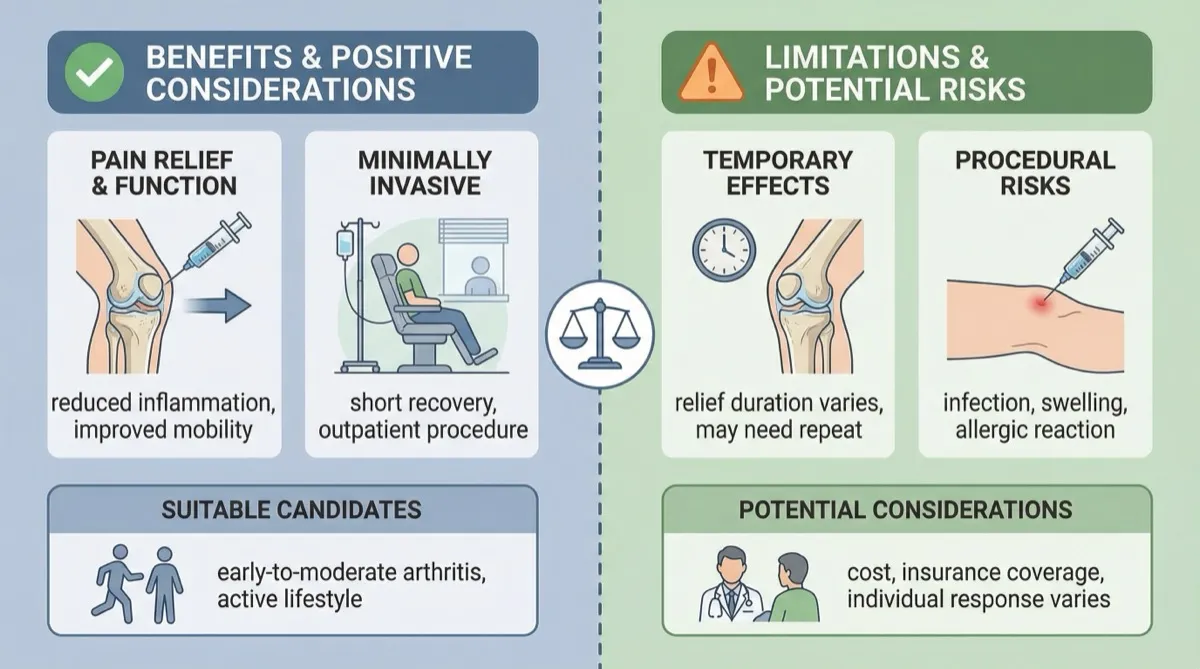
These symptoms could indicate a rare allergic-type reaction or infection that requires prompt medical attention.
Days 3-7: Gradual Return to Activity
After the critical first 48 hours, you can begin gradually increasing your activity level based on how your knee feels.
Week One Guidelines
Continue to avoid:
- Kneeling or squatting for at least a week after the procedure
- High-impact activities like running, jumping, or contact sports
- Excessive stair climbing
- Activities that cause pain or significant discomfort
Safe to resume:
- Normal walking distances
- Light household chores
- Swimming or water aerobics (gentle, low-impact)
- Stationary cycling with minimal resistance
- Returning to work for most occupations
Listen to your body. If an activity causes pain or swelling, scale back and give your knee more time to adjust.
Long-Term Activity Recommendations
Once you’ve passed the first week, you can typically return to most normal activities. However, protecting your knee investment means making smart choices long-term.
Best Activities for Joint Health
The most beneficial exercises after gel injections are low-impact activities that maintain fitness without stressing your treated joint:
- Swimming and water aerobics – Excellent cardiovascular exercise with zero joint impact
- Cycling – Strengthens leg muscles while supporting the knee
- Walking – Natural, low-impact movement that maintains mobility
- Yoga and tai chi – Improve flexibility, balance, and joint function
- Elliptical machines – Cardiovascular conditioning without the impact of running
These activities not only protect your knee but can actually enhance the benefits of your viscosupplementation treatment by keeping surrounding muscles strong and maintaining healthy weight.
Activities to Approach with Caution
Even after full recovery, certain activities put more stress on arthritic knees:
- Running or jogging (consider walking instead)
- High-impact aerobics or dance
- Sports with sudden direction changes (tennis, basketball, soccer)
- Heavy weightlifting, especially deep squats
- Climbing activities (hiking steep terrain, extensive stairs)
This doesn’t mean you can never do these activities, but approach them mindfully and discuss your specific situation with your Joint Relief Institute provider.
Special Considerations and Important Warnings
Medication Interactions
Do not use disinfectants containing quaternary ammonium salts (such as benzalkonium chloride) on or near the injection site. These chemicals may interfere with how hyaluronic acid works in your joint [4].
If you need to clean the area, use soap and water or ask your provider for specific recommendations.
Multiple Injection Series
Many patients receive viscosupplementation as a series of injections over several weeks. If this applies to you:
- Follow the same post-procedure guidelines after each injection
- The 48-hour activity restriction applies to each individual injection
- Benefits typically accumulate over the course of the series
- Complete the full series as prescribed for optimal results
Timeline for Experiencing Relief
It’s important to have realistic expectations about when you’ll notice improvement. Unlike corticosteroid injections that provide rapid relief, gel injections work gradually:
Weeks 1-3: Most patients notice little change during this period. The hyaluronic acid is integrating into your joint.
Weeks 4-6: Benefits typically begin appearing. You may notice reduced pain and improved mobility [9].
Months 2-6: Peak effectiveness. Most patients experience their maximum benefit during this timeframe.
Duration of relief: When effective, results can last anywhere from 6 months to 2 years, depending on individual factors and treatment success rate [10].
Don’t be discouraged if you don’t feel immediate improvement—this is completely normal and expected.
Maximizing Your Treatment Success
Beyond avoiding specific activities, several lifestyle factors influence how well your gel injections work:
Weight Management
Maintaining a healthy weight reduces stress on your knee joint and can extend the benefits of your treatment. Even modest weight loss can significantly reduce knee pain for people with osteoarthritis.
Proper Nutrition
Certain foods help manage osteoarthritis, while others may increase inflammation. An anti-inflammatory diet supports joint health and may enhance your treatment results.
Complementary Therapies
Consider combining your gel injections with:
- Physical therapy to strengthen supporting muscles
- Targeted exercises designed for patients with osteoarthritis
- Appropriate orthotics or supportive footwear
- Heat therapy (after the initial 48-hour period) for chronic stiffness
Follow-Up Care
Attend all scheduled follow-up appointments with Joint Relief Institute. These visits allow your provider to:
- Assess your treatment response
- Adjust your care plan if needed
- Determine the optimal timing for future injections
- Address any concerns or complications early
Frequently Asked Questions
Can I drive after a gel injection?
Yes, most patients can drive immediately after the procedure unless you received sedation or your provider advises otherwise. However, if you experience significant pain or stiffness, wait until you’re comfortable operating a vehicle safely.
When can I return to work?
Most patients return to work the next day. If your job involves heavy physical labor, kneeling, or prolonged standing, discuss specific timing with your provider. You may need 2-3 days before resuming strenuous work duties.
Is it normal to feel worse before feeling better?
Some patients experience temporary increased discomfort in the first few days after injection. This typically resolves quickly with ice and rest. However, severe or worsening pain warrants a call to your doctor.
Can I exercise the day of my injection?
Light walking is fine, but avoid formal exercise sessions for at least 48 hours. Your knee needs this rest period to adjust to the treatment without additional stress.
How soon can I get another injection if this one doesn’t work?
If a gel injection series doesn’t provide adequate relief, discuss alternative treatments with your Joint Relief Institute provider. Several options exist beyond viscosupplementation, and timing for trying another approach varies based on individual circumstances.
Are there any long-term restrictions after gel injections?
No. Once you’ve completed the initial recovery period, there are no permanent activity restrictions specifically from the gel injection itself. However, you should continue protecting your arthritic knee by choosing joint-friendly activities and avoiding excessive high-impact stress.
The Bottom Line: Simple Care for Optimal Results
Knee gel injections are remarkably straightforward procedures with minimal recovery requirements. The key takeaways:
First 48 Hours:
- Avoid high-impact activities, heavy lifting, and strenuous exercise
- Light walking is encouraged
- Apply ice as needed for comfort
- Skip hot tubs and saunas
First Week:
- Gradually increase activity based on comfort
- Continue avoiding kneeling, squatting, and high-impact sports
- Focus on low-impact exercise options
Long-Term:
- Choose joint-friendly activities like swimming, cycling, and walking
- Maintain a healthy weight
- Attend follow-up appointments
- Give the treatment 4-6 weeks to start working
Remember, while the restrictions may seem cautious, they’re designed to help you get the maximum benefit from your treatment. The temporary adjustments are a small investment for potentially months or even years of improved mobility and reduced pain.
Take the Next Step Toward Joint Relief
If you’re experiencing knee pain from osteoarthritis and wondering whether viscosupplementation might be right for you, the team at Joint Relief Institute is here to help. Our specialists have extensive experience with gel injections and can create a personalized treatment plan based on your specific needs.
Call us today at (800) 238-9307 to schedule a consultation and learn more about how gel injections can help you get back to the activities you love.
Don’t let knee pain control your life. With proper care and the right treatment approach, relief is possible.
Sources
-
Hospital for Special Surgery. “What to Know About Knee Gel Injections (Viscosupplementation).” HSS.edu, 2024. https://www.hss.edu/health-library/conditions-and-treatments/knee-gel-injections-viscosupplementation
-
Cleveland Clinic. “Knee Gel Injections (Viscosupplementation): Uses & Side Effects.” ClevelandClinic.org, 2024. https://my.clevelandclinic.org/health/procedures/knee-gel-injections-viscosupplementation
-
American Academy of Orthopaedic Surgeons. “Viscosupplementation for Knee Arthritis.” OrthoInfo.AAOS.org, 2024. https://orthoinfo.aaos.org/en/treatment/viscosupplementation-treatment-for-knee-arthritis/
-
Mayo Clinic. “Hyaluronic acid (injection route) - Side effects & uses.” MayoClinic.org, 2024. https://www.mayoclinic.org/drugs-supplements/hyaluronic-acid-injection-route/description/drg-20074557
-
Boston Concierge Orthopedics. “What Should I Do After Knee Gel Injections?” BostonConciergeOrthopedics.com, 2024. https://bostonconciergeorthopedics.com/what-should-i-do-after-knee-gel-injections/
-
National Center for Biotechnology Information. “Hyaluronic Acid.” StatPearls, NCBI Bookshelf, 2024. https://www.ncbi.nlm.nih.gov/books/NBK482440/
-
UW Health. “Home Care After a Hyaluronic Acid Injection.” Patient.UWHealth.org, 2024. https://patient.uwhealth.org/healthfacts/8207
-
Memorial Sloan Kettering Cancer Center. “About Hyaluronate Injections in Your Knee.” MSKCC.org, 2024. https://www.mskcc.org/cancer-care/patient-education/about-hyaluronate-injections-your-knee
-
Knee Pain Centers of America. “What Should I Do After Knee Gel Injections.” KneePainCentersofAmerica.com, 2024. https://www.kneepaincentersofamerica.com/blog/what-should-i-do-after-knee-gel-injections
-
Full Circle Orthopedics. “Hyaluronic Acid (HA) Gel Injections.” FullCircleOrthopedics.com, 2024. https://fullcircleorthopedics.com/aftercare/hyaluronic-acid-ha-gel-injections/