Types of Gel Injections for Knees: Complete Guide to Synvisc, Gel-One, Euflexxa & More
If you’re struggling with knee osteoarthritis pain and conservative treatments haven’t provided adequate relief, gel injections—also called viscosupplementation—offer a proven non-surgical option. With over 12 different FDA-approved hyaluronic acid gel formulations available, understanding which type is right for your specific knee condition can significantly impact your treatment outcomes. This comprehensive guide compares all major gel injection brands to help you make an informed decision with your physician.
What Are Gel Injections for Knees?
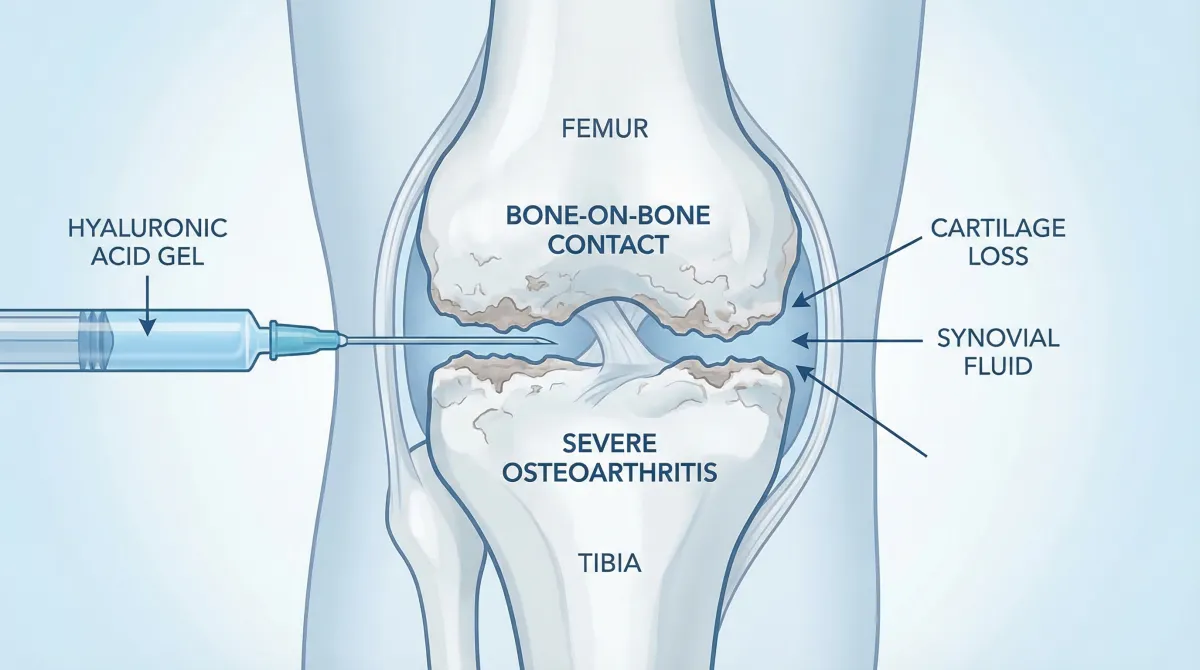
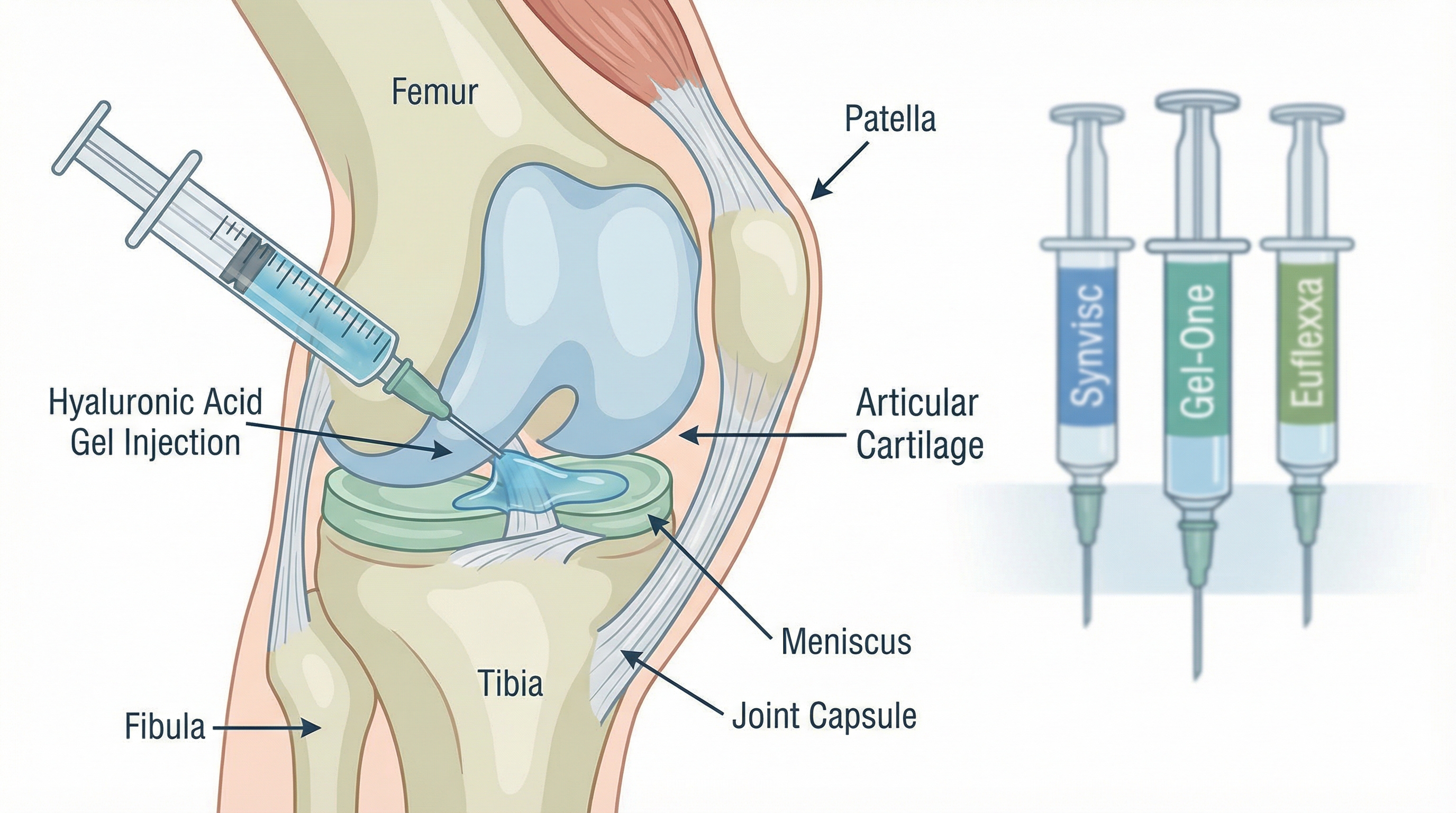
Gel injections are medical treatments that deliver hyaluronic acid (HA) directly into the knee joint to restore natural lubrication and cushioning [1]. Also known as viscosupplementation, hyaluronic acid is a substance naturally found in healthy joint fluid that provides shock absorption and smooth joint movement. In patients with osteoarthritis, the body’s natural hyaluronic acid breaks down and becomes less effective, leading to pain, stiffness, and reduced mobility.
Viscosupplementation works by supplementing the depleted hyaluronic acid in osteoarthritic knees, helping to reduce pain, improve joint function, and potentially slow cartilage degeneration [2]. Research shows that gel injections typically provide pain relief for 3-6 months, with strongest effects noted between 5-13 weeks post-injection [3].
Understanding Hyaluronic Acid: The Science Behind Gel Injections
Hyaluronic acid is a naturally occurring glycosaminoglycan found throughout the body’s connective tissues, with particularly high concentrations in synovial fluid—the lubricating fluid inside joints. In healthy knees, HA provides viscoelasticity, meaning it acts as both a lubricant during slow movements and a shock absorber during high-impact activities.
How Molecular Weight Affects Performance
One of the most important distinguishing factors between different gel injection products is molecular weight, measured in kilodaltons (kDa). Higher molecular weight formulations generally exhibit greater viscoelastic properties, potentially providing better cushioning and longer-lasting effects [3].
Molecular weight categories include:
- Low molecular weight: < 1,000 kDa
- Intermediate molecular weight: 1,000-3,000 kDa
- High molecular weight: > 3,000 kDa
Cross-Linked vs. Non-Cross-Linked Formulations
Gel injection products fall into two structural categories:
Non-cross-linked (linear chain): Products like Hyalgan, Supartz, Orthovisc, and Euflexxa maintain a linear molecular structure. These formulations more closely resemble natural synovial fluid and may have lower immunogenicity [3].
Cross-linked: Products like Synvisc, Synvisc-One, and Monovisc undergo chemical cross-linking to create a more stable, elastic gel structure that resists degradation and may provide longer-lasting effects [3].
Complete Comparison of FDA-Approved Gel Injection Products
The following table provides a comprehensive comparison of all major hyaluronic acid gel injection products currently available in the United States:
| Product Name | Manufacturer | Molecular Weight | Structure | Source | Injections Required | Concentration | FDA Approval |
|---|---|---|---|---|---|---|---|
| Synvisc | Sanofi | 6,000 kDa | Cross-linked | Rooster comb | 3 (weekly) | 16mg/2mL | 1997 |
| Synvisc-One | Sanofi | 6,000 kDa | Cross-linked | Rooster comb | 1 (single) | 48mg/6mL | 2009 |
| Gel-One | Zimmer Biomet | Cross-linked* | Cross-linked | Bacterial fermentation | 1 (single) | Cross-linked hydrogel | 2011 |
| Euflexxa | Ferring | 2,400-3,600 kDa | Non-cross-linked | Bacterial fermentation | 3 (weekly) | 20mg/2mL | 2004 |
| Supartz FX | Bioventus | 620-1,170 kDa | Non-cross-linked | Rooster comb | 3-5 (weekly) | 25mg/2.5mL | 2001 |
| Hyalgan | Fidia Pharma | 500-730 kDa | Non-cross-linked | Rooster comb | 3-5 (weekly) | 20mg/2mL | 1997 |
| Orthovisc | Anika Therapeutics | 1,000-2,900 kDa | Non-cross-linked | Rooster comb | 3-4 (weekly) | 30mg/2mL | 2004 |
| Monovisc | Anika Therapeutics | Moderate MW | Cross-linked at injection | Bacterial fermentation | 1 (single) | 88mg/4mL | 2014 |
| Durolane | Bioventus | 2,000+ kDa | Cross-linked | Bacterial fermentation | 1 (single) | 60mg/3mL | 2009 |
| GenVisc 850 | DePuy Synthes | 620-1,170 kDa | Non-cross-linked | Rooster comb | 3-5 (weekly) | 25mg/2.5mL | 2015 |
| Visco-3 | Zimmer Biomet | N/A | Non-cross-linked | Rooster comb | 3 (weekly) | 25mg/2.5mL | N/A |
| Gelsyn-3 | Zimmer Biomet | Intermediate | Non-cross-linked | Bacterial fermentation | 3 (weekly) | 0.84% solution | 2011 |
*Note: Exact molecular weight specifications vary; consult product labeling for precise technical details.
Detailed Product Profiles
Synvisc and Synvisc-One: High Molecular Weight Cross-Linked
Product Overview: Synvisc (hylan g-f 20) is the highest molecular weight hyaluronic acid available with a defined molecular weight of 6,000 kDa [3]. This cross-linked formulation creates a more elastoviscous gel compared to other HA preparations.
Key Features:
- Available in both 3-injection series (Synvisc) and single-injection (Synvisc-One) formulations
- Derived from rooster comb extract
- Expected pain relief duration: up to 6 months
- Clinical studies show 44.8% reduction in pain at 12 months compared to other viscosupplements [4]
Advantages: Synvisc-One requires only one injection for relief that can last up to six months, offering maximum convenience [4]. The long track record of use makes Synvisc a reliable choice for osteoarthritis treatment.
Considerations: Higher molecular weight cross-linked formulations may have a slightly higher incidence of pseudoseptic reactions compared to non-cross-linked preparations, possibly due to increased immunogenicity [3]. Patients with known avian protein allergies should discuss alternatives with their physician.
Cost Profile: The Synvisc cohort historically incurred the highest costs in utilization studies, though single-injection convenience may offset total treatment expenses [5].
Gel-One: Single-Injection Cross-Linked Hydrogel
Product Overview: Gel-One utilizes proprietary photo-gelation technology to create a cross-linked hyaluronate hydrogel administered as a single injection [6].
Key Features:
- Single-injection protocol (approved 2011)
- Cross-linked using photo-gelation technology
- Derived from bacterial fermentation (non-animal source)
- Shelf life of 42 months
- Store below 77°F (25°C); do not freeze
Advantages: Single-injection convenience reduces patient burden and clinic visits. Non-animal sourcing eliminates avian protein allergy concerns.
Clinical Evidence: Level I study with 377 patients reported statistically significant improvements with Gel-One over placebo [6].
Euflexxa: Bio-Fermented Non-Cross-Linked
Product Overview: Euflexxa contains sodium hyaluronate with an intermediate molecular weight of 2,400-3,600 kDa, developed using bacterial fermentation rather than animal extraction [4].
Key Features:
- 3-injection series (weekly administration)
- Non-cross-linked linear structure
- 20mg per 2mL injection
- No avian protein exposure risk
- Rheological properties most similar to healthy knee synovial fluid [5]
Advantages: Highly purified through fermentation, reducing allergy risk for those sensitive to bird proteins [4]. Euflexxa’s non-animal origin makes it suitable for patients with avian allergies or religious/dietary restrictions regarding animal-derived products.
Clinical Outcomes: Studies show significant pain relief for up to six months after a three-injection series, improving knee function and mobility [4].
Cost-Effectiveness: The Euflexxa cohort incurred the lowest costs over the post-index period in comparative utilization studies (mean=$13,160, median=$4,808) [5].
Common Side Effects: Joint pain, back pain, limb pain, muscle pain, and joint swelling [3].
Supartz FX and GenVisc 850: Lower Molecular Weight Options
Product Overview: Supartz contains sodium hyaluronate with a molecular weight of 620-1,170 kDa in a linear chain formulation [7]. GenVisc 850 was approved as a biosimilar to Supartz FX with equivalent chemical composition [7].
Key Features:
- 3-5 injection series (weekly administration)
- Lower molecular weight formulation
- 25mg per 2.5mL dose
- Rooster comb derivation
- Overall adverse event rate: 0.008 [3]
Clinical Comparison: High-molecular-weight Hylan G-F 20 (Synvisc) was consistently superior to low MW sodium hyaluronate preparations like Hyalgan and Supartz up to 20 weeks in comparative studies [7].
Cost Considerations: The Supartz/Hyalgan cohort required the highest average number of injections (3.7 injections) for the index course of treatment [5].
Hyalgan: Original FDA-Approved Formulation
Product Overview: Hyalgan was one of the first hyaluronic acid products approved by the FDA in 1997, with a molecular weight of 500,000-730,000 daltons (500-730 kDa) [3].
Key Features:
- 3-5 injection series
- High molecular weight for a non-cross-linked product
- Rooster comb extraction
- 20mg per 2mL dose
- Long-lasting pain relief up to 6 months [3]
Considerations: Allergic and anaphylactic reactions are slightly more common with rooster comb-sourced products like Hyalgan [3].
Orthovisc: Moderate Molecular Weight Non-Cross-Linked
Product Overview: Orthovisc is a moderate molecular weight (1,000-2,900 kDa) non-cross-linked formulation derived from rooster comb [7].
Key Features:
- 3-4 injection series (weekly administration)
- 30mg per 2mL dose
- Moderate molecular weight
- Rheological properties similar to healthy synovial fluid [5]
Clinical Performance: When compared to healthy knee parameter values, Orthovisc (along with Euflexxa) was typically most similar to healthy knee synovial fluid [5][7].
Utilization: The Orthovisc cohort received an average of 2.8 injections for the index course of treatment [5].
Monovisc and Durolane: Single-Injection Alternatives
Monovisc Overview: Moderate molecular weight formulation that is cross-linked at the time of injection using bacterial fermentation source [7].
Key Features:
- Single injection (88mg/4mL)
- Cross-linked at injection
- Non-animal source
- FDA approved 2014
Durolane Overview: Cross-linked sodium hyaluronate derived from bio-fermentation with a molecular weight exceeding 2,000 kDa [3].
Key Features:
- Single injection (60mg/3mL)
- Half-life approximately four weeks
- Provides significant improvements in pain
- Found superior or non-inferior to treatments including placebo, corticosteroids, Hylan G-F20, and multi-injection sodium hyaluronate [3]
Clinical Evidence: 23 of 175 patients experienced adverse effects including post-injection pain, joint swelling, and pseudoseptic reaction; however, these were considered mild and transient [3].
Visco-3: Three-Injection Standard Protocol
Product Overview: Visco-3 is supplied as a sterile, non-pyrogenic solution in 2.5 mL prefilled syringes [8].
Key Features:
- 3 injections (weekly, 1 week apart)
- 10 mg/mL (25mg total sodium hyaluronate per syringe)
- Extracted from chicken combs
- Shelf life: 42 months
- Store below 77°F (25°C); do not freeze
- Single-use prefilled syringe
Indication: Treatment of pain in osteoarthritis of the knee in patients who have failed to respond adequately to conservative non-pharmacologic therapy and simple analgesics [8].
Gelsyn-3: Bio-Fermented Three-Injection Series
Product Overview: Gelsyn-3 is a 0.84% sodium hyaluronate solution derived from bio-fermentation [3].
Key Features:
- 3-injection series
- Intermediate molecular weight
- Non-cross-linked
- Bacterial fermentation source
Clinical Evidence: Randomized trial comparing Gelsyn-3 to Hylan G-F20 showed both preparations achieved approximately 32.5-point reductions in WOMAC pain subscores at 26 weeks, demonstrating comparable effectiveness [3].
Single-Injection vs. Multiple-Injection Protocols: Which Is Better?
One of the most debated questions in viscosupplementation therapy is whether single-injection or multiple-injection protocols provide superior outcomes.
Evidence for Multiple Injections
Research by Concoff et al. found that multiple injections (2-4 or 5+ injections) provided significant pain relief while single injections did not [3]. This suggests that cumulative dosing may enhance therapeutic effects.
Advantages of multiple-injection protocols:
- Potentially greater cumulative therapeutic benefit
- Allows for dose adjustment if adverse reactions occur
- May provide more sustained HA presence in the joint
Evidence for Single Injections
Contradicting the above findings, research by Vincent et al. found that monoinjections produce similar results to multiple injections [3]. Single-injection formulations have gained popularity due to patient convenience and reduced treatment burden.
Advantages of single-injection protocols:
- Maximum patient convenience (one clinic visit)
- Reduced overall treatment costs
- Lower cumulative risk of injection-related complications
- Better compliance for patients with scheduling challenges
Popular single-injection options include:
- Synvisc-One (48mg in 6mL)
- Gel-One (cross-linked hydrogel)
- Monovisc (88mg in 4mL)
- Durolane (60mg in 3mL)
Clinical Recommendation
The optimal injection protocol depends on individual patient factors including:
- Severity of osteoarthritis
- Previous response to viscosupplementation
- Patient preference and convenience needs
- Insurance coverage and cost considerations
- Physician experience and recommendation
Clinical Effectiveness: What Does the Research Show?
The effectiveness of gel injections for knee osteoarthritis has been extensively studied, with mixed results depending on study design, patient selection, and outcome measures.
Positive Clinical Evidence
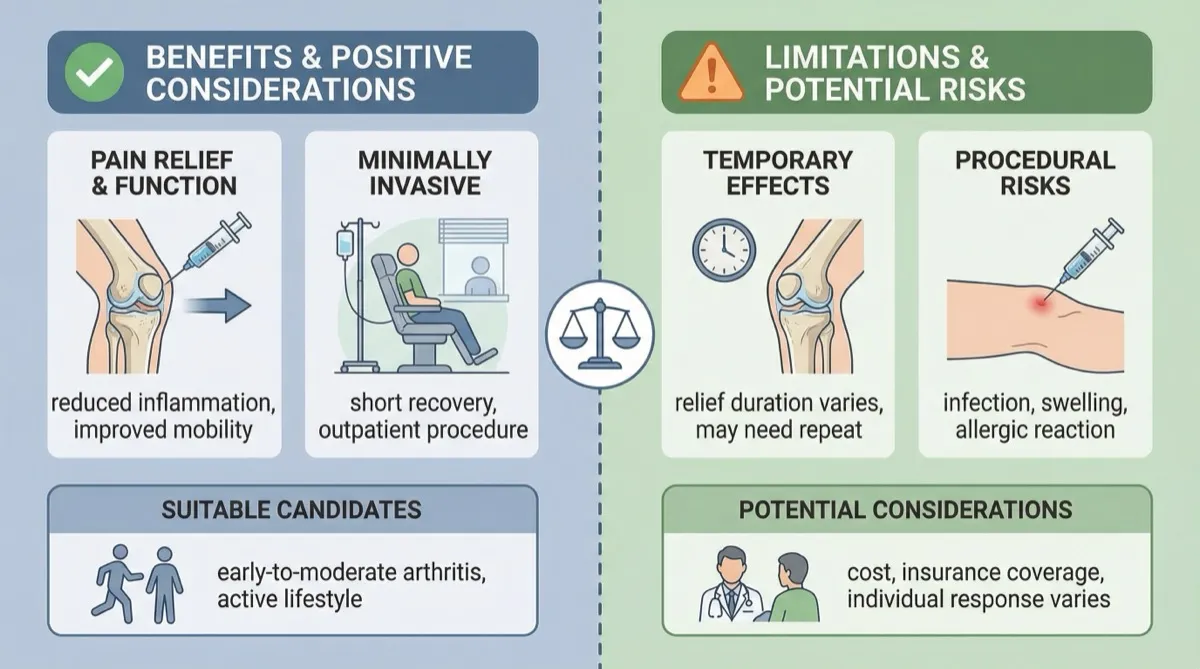
Research demonstrates that hyaluronic acid knee gel injections usually reduce pain and improve joint function [9]. Patients with mild to moderate osteoarthritis respond best to knee gel injections, while those with more severe osteoarthritis, such as bone-on-bone knees, are less likely to benefit [9].
Duration of relief: Most clinical studies report pain relief lasting 3-6 months, with the strongest effects noted between 5-13 weeks post-injection [3].
Functional improvements: Beyond pain reduction, gel injections can improve:
- Range of motion
- Joint stiffness (particularly morning stiffness)
- Overall physical function and mobility
- Quality of life measures
Recent Systematic Reviews (2024)
A major 2024 systematic review and network meta-analysis published in Osteoarthritis and Cartilage examined large randomized controlled trials and found that hyaluronic acid derivatives are associated with a clinically irrelevant OA pain reduction and increased risk of harms [10].
However, interpretation requires context. While some large-scale analyses question the clinical significance compared to placebo, real-world patient outcomes and organizational guidelines present a more nuanced picture.
Professional Society Guidelines
Medical guideline recommendations vary:
OARSI (Osteoarthritis Research Society International): Provides conditional recommendations in favor of hyaluronic acid for appropriate patient populations [10].
NICE (National Institute for Health and Care Excellence): Strongly discourages viscosupplementation for knee OA based on cost-effectiveness analyses [10].
EUROVISCO Consensus (2024): A 2024 Delphi consensus process formulated guidelines for the use of intra-articular hyaluronic acid knee injection according to patient characteristics, recognizing that specific patient profiles may benefit substantially [10].
Ideal Candidate Profile
Research suggests the best candidates for gel injections include:
- Mild to moderate knee osteoarthritis (Kellgren-Lawrence grades 2-3)
- Patients who have failed conservative treatments (physical therapy, NSAIDs, weight management)
- Those seeking to delay or avoid knee replacement surgery
- Patients with contraindications to NSAIDs or steroid injections
- Active individuals seeking to maintain mobility and function
Comparison with Alternative Injection Therapies
Cortisone (Corticosteroid) Injections
Cortisone shots tend to work faster than HA injections, often within a few days, but the benefits are not as long-lasting with most patients starting to feel pain again in 2 to 3 months [9].
When to choose cortisone:
- Acute inflammatory flares
- Need for rapid pain relief (days vs. weeks)
- Short-term symptom management
- Initial diagnostic injection to confirm intra-articular pain source
When to choose gel injections:
- Longer-lasting relief desired (months vs. weeks)
- Repeated cortisone injections have diminishing returns
- Concern about cartilage degradation from repeated steroids
- Patient seeking disease-modifying potential
Platelet-Rich Plasma (PRP) Injections
Some studies have suggested that PRP treatments help relieve joint pain and increase range of motion and may last longer than both cortisone shots and HA injections [9]. Meta-analysis showed PRP reduced pain more effectively than hyaluronan at both 6-month and 12-month follow-up periods [3].
PRP considerations:
- Still considered experimental by many insurers
- Generally not covered by insurance
- Significantly higher out-of-pocket costs
- Requires blood draw and processing
- Limited long-term safety data
- Substantial variability in PRP preparation protocols
The Critical Role of Injection Precision: Why Fluoroscopy Guidance Matters
Even the highest-quality gel injection product will fail to provide benefit if it’s not accurately delivered into the joint space. Research demonstrates that non-guided injections missed the knee joint up to 30% of the time [11]. When injections miss, the treatment is completely ineffective, making precise delivery essential for success.
Fluoroscopy-Guided Injection Advantages
Fluoroscopy provides real-time X-ray visualization during the injection procedure, ensuring accurate needle placement directly into the knee joint [11].
Key benefits of fluoroscopy guidance include:
-
Enhanced Accuracy: Real-time imaging guidance ensures precise needle placement into the joint space [11]
-
Reduced Complications: Accurate needle placement reduces the risk of side effects such as pain, swelling, and infection [11]
-
Improved Patient Outcomes: Precise delivery of medication leads to more effective pain relief, increased joint mobility, and longer duration of benefit [11]
-
Validated Effectiveness: Patients who received fluoroscopy-guided injections experienced significant pain relief and improved joint function compared to those who received traditional blind injections [11]
Joint Relief Institute’s Precision Approach
At Joint Relief Institute, Dr. Michael Hana and our medical team use fluoroscopy guidance for all gel injections to ensure precise, accurate delivery. This commitment to precision, combined with our availability of 12+ different gel formulations, allows us to optimize outcomes by matching the right product to each patient’s unique needs.
Insurance Coverage and Medicare Guidelines for Gel Injections
Understanding insurance coverage is essential when considering gel injection therapy, as out-of-pocket costs can vary significantly.
Medicare Coverage (2025-2026)
Medicare covers knee gel injections for knee osteoarthritis when deemed medically necessary [12]. Medicare Part B covers intra-articular HA injections for beneficiaries diagnosed with knee osteoarthritis, but only under specific conditions [12].
Eligibility requirements include:
-
Diagnosis: Having a diagnosis from a doctor of symptomatic osteoarthritis of the knee [12]
-
Imaging confirmation: Having medical imaging to confirm the osteoarthritis diagnosis [12]
-
Conservative treatment failure: Attempting at least three conservative treatment types without success (such as pain/inflammation medication, physical therapy, exercise, weight management, and assistive devices like canes or knee braces) [12]
-
Radiographic evidence: Documented radiographic evidence of OA, such as joint space narrowing or osteophytes [12]
-
Duration of conservative treatment: At least three months of conservative treatments that were ineffective [12]
Medicare Treatment Frequency Limitations
A repeat series is considered reasonable and necessary when the patient has experienced improvement following the previous series, and at least 6 months have elapsed since the prior series of injections [12].
Doses and frequencies that exceed the FDA-recommended dosage/frequency are considered not reasonable and necessary and not covered by Medicare [12].
Medicare Coverage Restrictions
Intra-articular HA injections are not covered by Medicare for:
- Use in other joints (e.g., hip or shoulder)
- Inflammatory conditions like rheumatoid arthritis
- Non-FDA-approved compounds [12]
Medicare Costs for Beneficiaries (2025)
With Original Medicare, patients must meet the 2025 deductible of $257, after which Part B will pay 80% of the cost [12]. With a Part C (Medicare Advantage) plan, costs will vary depending on the specific plan [12].
Private Insurance Coverage
Most private insurance plans cover viscosupplementation when medical necessity criteria are met, typically requiring:
- Failed conservative treatment (usually 3-6 months)
- Radiographic evidence of osteoarthritis
- Prior authorization in most cases
- Step therapy requirements (trying other treatments first)
Coverage varies by insurance carrier and specific plan, so always verify benefits before treatment.
Safety Profile and Potential Side Effects
Gel injections have a well-established safety profile, with adverse events that are usually mild, local, and transient [3].
Common Side Effects
Most frequently reported adverse events include:
- Injection site pain (temporary)
- Joint swelling or warmth (typically resolves within 48-72 hours)
- Mild joint stiffness
- Bruising at the injection site
- Temporary increase in knee pain immediately after injection
These side effects are generally self-limiting and resolve without intervention within a few days.
Product-Specific Adverse Event Data
Hylan g-f-20 (Synvisc/Synvisc-One):
- Local reactions occurred more often in those receiving more than a single injection [3]
- Potential higher incidence of pseudoseptic reactions compared to other preparations, possibly due to increased immunogenicity from cross-linking [3]
Euflexxa:
- Associated with joint pain, back pain, limb pain, muscle pain, and joint swelling [3]
Supartz:
- Overall adverse event rate documented as 0.008 (extremely low) [3]
Hyalgan:
- Allergic and anaphylactic reactions are slightly more common due to rooster comb source [3]
Durolane:
- 23 of 175 patients (13%) experienced adverse effects including post-injection pain, joint swelling, pseudoseptic reaction; however, these were considered mild and transient [3]
Rare but Serious Complications
While uncommon, potential serious complications include:
- Infection (septic arthritis): Extremely rare with proper sterile technique
- Allergic reactions: More common with animal-derived (rooster comb) products
- Pseudoseptic reaction: Inflammatory response that mimics infection but resolves without antibiotics
Contraindications
Gel injections should not be administered to patients with:
- Active infection in or around the knee joint
- Known hypersensitivity to hyaluronic acid products
- Known avian protein allergy (for rooster comb-derived products)
- Skin disease or infection at the injection site
Why Joint Relief Institute Offers 12+ Different Gel Options
Every patient’s knee osteoarthritis is unique, influenced by factors including:
- Severity and stage of arthritis
- Patient age and activity level
- Previous treatment responses
- Anatomical considerations
- Allergies and sensitivities
- Personal preferences (single vs. multiple injections)
- Insurance coverage and cost considerations
At Joint Relief Institute, we recognize that a one-size-fits-all approach to viscosupplementation is inadequate for optimal patient care. That’s why we maintain an extensive formulary of 12+ different gel injection products, including all the major brands discussed in this guide.
Personalized Treatment Matching
Our comprehensive product selection allows Dr. Michael Hana and our medical team to customize treatment plans based on:
Product characteristics:
- Molecular weight (high, intermediate, or low)
- Cross-linked vs. non-cross-linked formulations
- Animal-derived vs. bio-fermented sources
- Single-injection vs. multi-injection protocols
- Specific rheological properties matching patient needs
Patient-specific factors:
- Osteoarthritis severity (mild, moderate, severe)
- Previous viscosupplementation response
- Allergy history (avian protein sensitivities)
- Lifestyle and activity goals
- Treatment convenience preferences
- Insurance coverage parameters
The JRI Advantage: Precision + Selection
Our dual commitment to fluoroscopy-guided precision delivery and comprehensive product selection provides patients with:
- Maximized effectiveness: Accurate intra-articular delivery ensures the medication reaches its target
- Optimized product matching: The right gel formulation for your specific knee condition
- Improved outcomes: Combining precision technique with product customization
- Patient-centered care: Treatment plans tailored to your unique needs and preferences
Frequently Asked Questions
Which gel injection is best for knee osteoarthritis?
The “best” gel injection depends on individual patient factors including arthritis severity, previous treatment responses, and personal preferences. High molecular weight cross-linked products like Synvisc-One offer longer-lasting relief with single-injection convenience, while intermediate molecular weight non-cross-linked products like Euflexxa more closely mimic natural synovial fluid. At Joint Relief Institute, we offer 12+ different gel options and use fluoroscopy guidance to ensure optimal product selection and precise delivery for each patient’s unique needs.
How long do gel injections last in the knee?
Most gel injections provide pain relief for 3-6 months, with the strongest effects typically noted between 5-13 weeks post-injection. Duration varies by product formulation, with high molecular weight cross-linked products potentially lasting longer than lower molecular weight formulations. Individual patient factors including arthritis severity, activity level, and body weight also influence how long results last.
Are gel injections better than cortisone shots for knee pain?
Gel injections and cortisone shots serve different purposes. Cortisone shots work faster (within days) but provide shorter-lasting relief (typically 2-3 months). Gel injections take longer to reach peak effectiveness (5-13 weeks) but provide longer-lasting relief (3-6 months or more). Cortisone is better for acute inflammatory flares, while gel injections are preferred for longer-term osteoarthritis management and may have disease-modifying properties that cortisone lacks.
Does Medicare cover gel injections for knees?
Yes, Medicare Part B covers hyaluronic acid gel injections for knee osteoarthritis when medically necessary. Patients must meet specific criteria including: documented diagnosis with imaging confirmation, failure of at least three months of conservative treatments, and radiographic evidence of osteoarthritis. After meeting the 2025 deductible of $257, Medicare pays 80% of the cost. Repeat series require at least 6 months between treatments and documented improvement from the previous series.
What is the difference between Synvisc and Euflexxa?
Synvisc contains hylan g-f 20, a cross-linked high molecular weight (6,000 kDa) formulation derived from rooster comb, while Euflexxa contains non-cross-linked intermediate molecular weight (2,400-3,600 kDa) sodium hyaluronate derived from bacterial fermentation. Synvisc-One requires only one injection, while Euflexxa requires three weekly injections. Euflexxa’s non-animal origin eliminates avian protein allergy concerns and has rheological properties most similar to natural synovial fluid. Both provide approximately 6 months of pain relief, though patient responses vary.
Can I get gel injections if I’m allergic to chicken or eggs?
Patients with avian (chicken/bird) protein allergies should avoid gel injections derived from rooster comb extraction, including Synvisc, Hyalgan, Supartz, Orthovisc, and Visco-3. Safe alternatives include bio-fermented (bacterial fermentation) products such as Euflexxa, Gel-One, Monovisc, Durolane, and Gelsyn-3, which contain no animal-derived proteins. Always inform your physician of all allergies before treatment to ensure appropriate product selection.
How accurate are knee gel injections without fluoroscopy?
Research shows that non-guided knee injections miss the joint space up to 30% of the time, rendering the treatment completely ineffective. Fluoroscopy-guided injections provide real-time X-ray visualization ensuring accurate needle placement directly into the knee joint. Studies demonstrate that patients receiving fluoroscopy-guided injections experience significantly better pain relief and improved joint function compared to those receiving traditional blind injections. At Joint Relief Institute, all gel injections are performed under fluoroscopy guidance to maximize treatment effectiveness.
How much do gel injections cost without insurance?
Cash pay costs for gel injections typically range from $500-$1,500 per injection, depending on the specific product and geographic location. Single-injection formulations (Synvisc-One, Gel-One, Monovisc, Durolane) generally cost more per injection but may be comparable to or less expensive than multi-injection series when considering total treatment cost. Three-injection series typically cost $1,500-$4,500 total. At Joint Relief Institute, we work with patients to explore insurance coverage, Medicare benefits, and affordable payment options.
Can gel injections delay or prevent knee replacement surgery?
While gel injections do not reverse osteoarthritis or regenerate cartilage, they can provide significant pain relief and functional improvement that may delay the need for knee replacement surgery for months or years in appropriate candidates. Research shows that patients with mild to moderate osteoarthritis respond best to viscosupplementation. For patients seeking to maintain mobility and delay surgical intervention, gel injections combined with appropriate conservative treatments (weight management, physical therapy, activity modification) can be an effective strategy.
How soon can I return to activities after gel injections?
Most patients can return to normal daily activities within 24-48 hours after gel injection. Physicians typically recommend avoiding strenuous activities, prolonged standing, or high-impact exercise for 48-72 hours after injection to allow the gel to distribute properly throughout the joint. Some temporary increase in pain or swelling is normal and usually resolves within 2-3 days. Peak therapeutic benefits typically develop over 5-13 weeks as the hyaluronic acid integrates with existing synovial fluid.
Take the Next Step: Expert Gel Injection Treatment at Joint Relief Institute
If you’re struggling with knee osteoarthritis pain and conservative treatments haven’t provided adequate relief, gel injections may offer the non-surgical solution you need. At Joint Relief Institute, our expertise in viscosupplementation therapy is backed by:
- 40,000+ patients treated with proven outcomes
- 400,000+ procedures performed with extensive experience
- 4.9 Google rating reflecting patient satisfaction
- 12+ gel injection options for personalized treatment matching
- Fluoroscopy-guided precision for optimal delivery and effectiveness
- Medicare accepted and most insurance plans welcomed
- Dr. Michael Hana, founder and CEO with specialized expertise in non-surgical joint pain treatment
Why Choose Joint Relief Institute?
Our commitment to precision, selection, and patient-centered care sets us apart:
-
Comprehensive Product Formulary: Unlike facilities offering only 1-2 gel options, we maintain 12+ different formulations to match your specific needs
-
Fluoroscopy-Guided Accuracy: Every injection is performed under real-time X-ray guidance to ensure precise intra-articular delivery
-
Customized Treatment Plans: We evaluate your unique arthritis pattern, treatment history, allergies, and goals to select the optimal gel product
-
Expert Technique: Dr. Hana’s specialized training and extensive experience ensure safe, effective injection procedures
-
Non-Surgical Focus: Our practice specializes exclusively in non-surgical joint pain treatments, giving us deep expertise in viscosupplementation therapy
Schedule Your Consultation Today
Don’t let knee pain limit your life. Contact Joint Relief Institute to schedule a comprehensive evaluation and learn which gel injection option is right for you.
Call us at (800) 238-9307
Our medical team will:
- Evaluate your knee osteoarthritis severity and treatment history
- Review your insurance coverage and Medicare benefits
- Recommend the optimal gel injection product for your specific condition
- Answer all your questions about the procedure, recovery, and expected outcomes
- Schedule your fluoroscopy-guided gel injection treatment
Take the first step toward pain relief and improved mobility. Contact Joint Relief Institute today.
Sources
-
Cleveland Clinic. “Knee Gel Injections (Viscosupplementation): Uses & Side Effects.” Cleveland Clinic, 2024. https://my.clevelandclinic.org/health/procedures/knee-gel-injections-viscosupplementation
-
Hospital for Special Surgery. “What to Know About Knee Gel Injections (Viscosupplementation).” HSS Health Library, 2024. https://www.hss.edu/health-library/conditions-and-treatments/knee-gel-injections-viscosupplementation
-
Shriram D, Kumar GP, Cui F, et al. “A Comprehensive Review of Viscosupplementation in Osteoarthritis of the Knee.” Orthopedic Reviews, 2021;13(2). https://pmc.ncbi.nlm.nih.gov/articles/PMC8567800/
-
Med Supply Solutions. “Synvisc vs Euflexxa - Which is Better For Joints?” Med Supply Solutions Blog, 2024. https://www.medsupplysolutions.com/blog/synvisc/synvisc-vs-euflexxa/
-
Rosen J, Sancheti P, Fierlinger A, et al. “Clinical and cost outcomes from different hyaluronic acid treatments in patients with knee osteoarthritis: evidence from a US health plan claims database.” BMC Musculoskeletal Disorders, 2016. https://pmc.ncbi.nlm.nih.gov/articles/PMC4924978/
-
U.S. Food and Drug Administration. “Gel-One Cross-linked Hyaluronate Package Insert.” FDA.gov, 2011. https://www.accessdata.fda.gov/cdrh_docs/pdf8/p080020s020d.pdf
-
Webner D, Huang Y, Hummer CD. “Intraarticular Hyaluronic Acid Preparations for Knee Osteoarthritis: Are Some Better Than Others?” Cartilage, 2021;13(2). https://pmc.ncbi.nlm.nih.gov/articles/PMC8808930/
-
Zimmer Biomet. “VISCO-3™: 3-Series Injection for Knee OA.” Zimmer Biomet Products, 2024. https://www.zimmerbiomet.com/en/products-and-solutions/products/restorative-therapies/visco-3.html
-
Cleveland Clinic. “Knee Gel Injections (Viscosupplementation).” Cleveland Clinic, 2024. https://my.clevelandclinic.org/health/procedures/knee-gel-injections-viscosupplementation
-
Zou K, Wong J, Abdullah N, et al. “Effectiveness and safety of intra-articular interventions for knee and hip osteoarthritis based on large randomized trials: A systematic review and network meta-analysis.” Osteoarthritis and Cartilage, 2024. https://www.oarsijournal.com/article/S1063-4584(24)01389-X/fulltext
-
Arthritis Knee Pain Centers. “What Is a Fluoroscopy Injection?” AKPC Wellness Blog, 2024. https://arthritiskneepain.com/wellness-blog/what-is-a-fluoroscopy-injection/
-
Healthline. “Knee Gel Injections and Medicare: Coverage Details.” Healthline Medicare, 2025. https://www.healthline.com/health/medicare/does-medicare-pay-for-rooster-comb-injections